
THE LEADING PROVIDER OF ARC FLASH SAFETY SERVICES
We work with companies of all sizes to achieve OSHA and NFPA 70E compliance through Arc Flash/NFPA 70E Training, facility Arc Flash Risk Assessments, and Electrical Safety Audits.
Create a safer workplace with us today!

ARC FLASH TRAINING
We provide onsite, in-person and virtual live-taught NFPA 70 Arc Flash Training for groups of all sizes.
We have a tailored approach that allows us to meet our clients timeline and budget while providing the highest quality classroom experience.

ARC FLASH RISK ASSESSMENTS
Cost-effective, comprehensive risk assessment for facilities of all sizes and industries across the United States. Get a free, no-obligation quote to complete your Arc Flash Risk Assessment.

ELECTRICAL SAFETY SERVICES
We provide hands-on electrical courses, electrical facility audits, and custom trainings to help companies work toward OSHA compliance. Contact us to learn more today.

Practical, real-world Arc Flash Training. On-site & Live Virtual Class Options. Comprehensive Hands-on Classes, Refresher/Update Courses, & Customized Training available.
The Jacman Group provides a cost-effective, comprehensive Arc Flash Risk Assessment for facilities of all sizes and industries across the United States. Contact us for a free, no-obligation quote.
Along with Arc Flash/NFPA 70E Training and facility Arc Flash Risk Assessments, we provide hands-on basic electrical courses, electrical safety facility audits, and custom trainings & projects. Click here to learn more.
Looking to Maintain Safety & Compliance?
Our Services
Arc Flash Training/ NFPA 70E
- Onsite/In-person Courses
- Hands-on, Comprehensive Training
- Covers OSHA Requirements
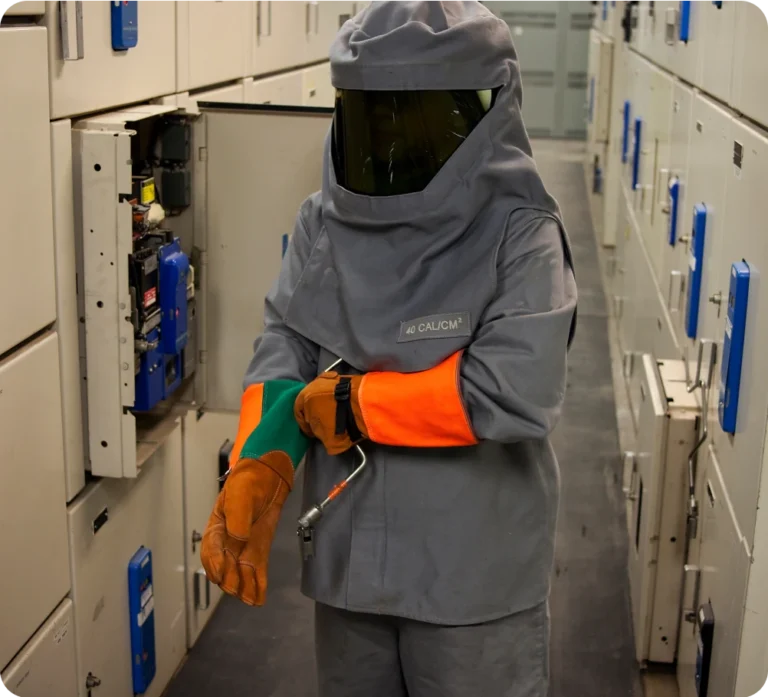
- Students learn to use proper PPE
- Preventing Shock & Electrocution
- Protect employees from Arc Flash
- Meter Safety
- Control of Hazardous Energy - Lockout/Tagout (LOTO)
- Energized Electrical Work Permits
- Online/Live-taught Virtual Classes
- Refresher & Updates Available
- NFPA 70E Standard for Electrical Safety in the Workplace
- FR Clothing & Voltage Rated Tools
- Approach Boundaries
- Emergency Procedures/Contact Release
- Job Briefing
- NFPA 70B Requirements
- Customized Training
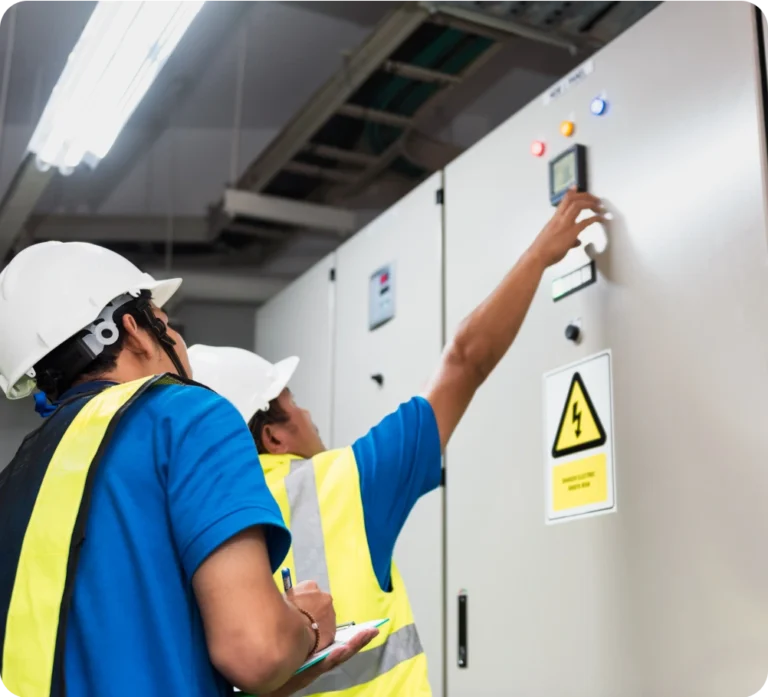
Arc Flash Risk Assessment
- Data collection
- Electrical system modeling
- Short circuit analysis
- Protective device coordination analysis
- Protective device interrupt rating analysis
- Incident energy analysis
- Customized Arc Flash labels
- Equipment labeling
- Findings and recommendations report
- Proper PPE Recommendations
- Updated One-line Diagrams
- Arc Flash consulting
- Post-analysis support
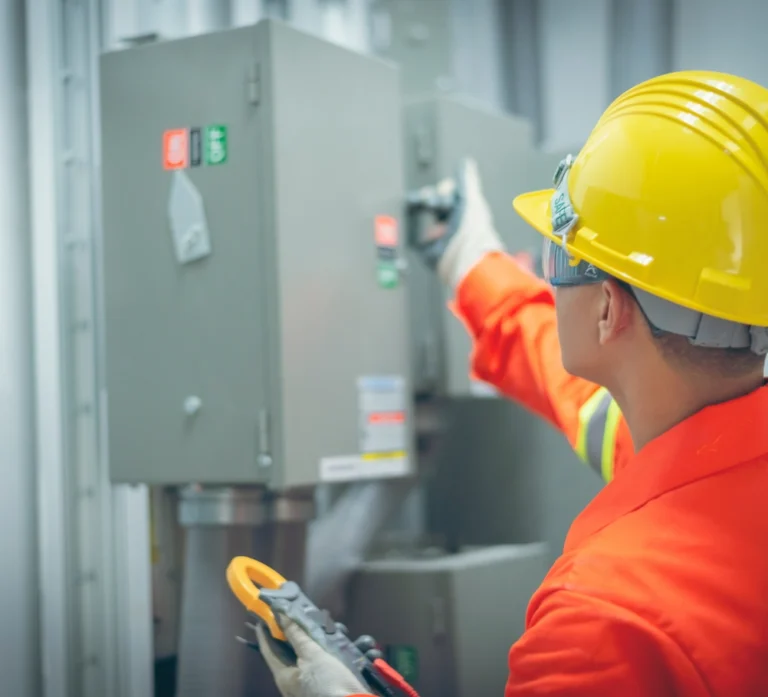
Electrical & Arc Flash Safety Services
- Electrical Awareness Courses
- Hands-on Basic Electrical Courses
- Safety Consulting
- Accident/Incident Recreation
- NFPA 70B Training
- Gap Analysis
- Facility & Program Audits
- Custom Training Courses
- Mock OSHA Inspections
- Lockout/Tagout Training
- Infrared Scan (IR)
- Special Projects
The instructor was very knowledgeable and took the time to explain when needed. He made the class interesting.
Amazon
Hear From Our Customers
Vera Bradley
I have been to many training courses during my 20 years of being an engineer and I can say with all honesty that this was one of the best that I have had the pleasure of attending. If you are needing any type of electrical safety training Jacman Group is the first choice.
General Electric
The trainer was knowledgeable and presented the information in a very easy to understand way – at a level that kept everybody involved. Those in attendance have a newfound respect on how to approach working near or on live power.
coca-cola
The way the class was presented helped me focus and understand what was being taught. Great class and great instructor. Thank you!
20+ Years of Experience in Electrical Safety
Jacman Group Safety has been a trusted partner in electrical safety since 2001. Our commitment to excellence has enabled us to provide outstanding training courses to renowned brands in the industrial and manufacturing sectors across the country.
Our comprehensive Arc Flash/NFPA 70E Training and Arc Flash Risk Assessments ensure safe work practices and procedures for facilities of all sizes. As a full-service electrical safety and training provider, we also provide customized trainings and project consulting services to meet your unique requirements.
Our goal is to have every student leave our training with valuable, life-saving knowledge allowing them to return to work with a new way of thinking about electrical safety and actually apply what they’ve learned each day.
Contact us today to keep your employees safe and ensure OSHA and NFPA 70E compliance. We are here to help!
Practical approach to teaching – our classes are meant to deliver targeted training relevant to employees’ day to day tasks